Teach, Mend, Unite: Empowering Neighbors at Community Fix-It Sessions
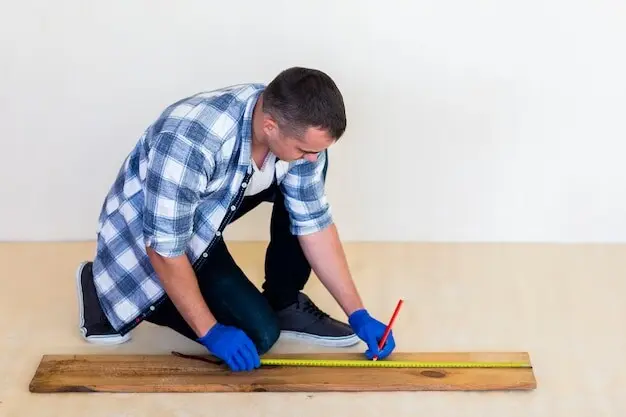
Join us as we explore training volunteers and sharing skills at community fix-it sessions, where neighbors learn by doing, teach one another with patience, and turn broken belongings into proud stories, measurable impact, and lasting connections that strengthen local resilience, practical confidence, and hopeful stewardship.
Building a Welcoming Circle of Curious Fixers
A gentle check-in table, inclusive name tags, and a tour of stations create psychological safety before the first screw is turned. By inviting questions, normalizing mistakes, and celebrating small wins, you cultivate a culture where new volunteers feel brave, supported, and eager to share knowledge, ask for help, and build practical confidence through friendly, hands-on collaboration.
Start with a Learning Mindset
Treat curiosity as the engine and celebrate not knowing yet. Open with a brief circle where everyone names a skill they want to grow and one they can offer. This frames every repair as shared exploration, not a test, easing nerves while accelerating real learning.
Safety that Encourages Participation
Establish simple, repeatable habits that protect people and devices without scaring beginners away. Demonstrate eye protection, unplugging, capacitor checks, safe blade handling, and ESD basics, then invite each newcomer to lead one protocol aloud. Confidence grows when safety is practiced together, kindly corrected, and praised.

A Hands-On Training Flow that Lowers Barriers
Structure the experience like a welcoming workshop, not a lecture. Begin with quick tool orientations, move into guided triage, then let pairs explore with mentors circulating. Short micro-lessons punctuate progress, while shared checklists, labels, and simple repair logs capture insights so tomorrow’s session starts stronger than today’s.


Skill-Sharing Methods that Really Stick
People remember what they teach, demonstrate, and celebrate. Use rotating roles, mini-demos, and friendly peer reviews to transform scattered tips into community memory. Inspired by Repair Café gatherings and Fixit Clinic techniques, you can turn every fix into a portable lesson that travels home with participants.
Outreach, Access, and Genuine Inclusion

Lowering Barriers with Language and Layout
Use large, friendly signage for check-in, intake, stations, and exits in the most common local languages. Arrange tables to welcome wheelchairs and strollers, keep pathways wide, and seat newcomers near greeters. Comfort signals respect, and respect unlocks curiosity, patience, and the courage to try something challenging.
Partnerships with Libraries, Schools, and Shops
Partner with libraries for rooms and promotion, schools for student volunteers, and small repair shops for mentoring on tricky cases. These allies extend your reach, create apprenticeship pathways, and inject practical wisdom, while your sessions introduce new customers and goodwill that strengthens independent, local repair businesses.
Welcoming Both Teens and Elders
Design intergenerational tables where teens bring speed and digital savvy while elders offer patience, tactile intuition, and decades of maker habits. Mixed groups calm anxiety, enhance safety, and multiply breakthroughs, because varied perspectives catch subtle clues faster than any lone expert with perfect tools.


Tools, Parts, and Smarter Workflows
Thoughtful setup turns chaos into calm collaboration. Create an intake island, labeled tool walls, ESD mats for boards, and bright bins for screws. Maintain a quarantine shelf for questionable batteries, and a donor device corner for harvesting parts ethically, transparently, and teachably during busy moments.
Measuring Impact and Sustaining Momentum
Track wins, thank people loudly, and keep feedback loops short. Count repaired items, estimated value saved, and landfill diversion, while surveying volunteer satisfaction and retention. Share results in newsletters and at closing circles, inviting readers to comment, subscribe, donate tools, or co-host the next session.
Measure the basics: items checked in, items fixed, partial fixes, referrals, and volunteer hours. Add gentle metrics like first-time mentors, youth participation, and reused parts. Keep data collection quick and respectful, focusing on stories behind numbers to guide training choices and community invitations.
Post before-and-after photos, share quick reels of joyful moments, and name volunteers in thank-you notes with permission. Visible appreciation attracts new helpers and donors, while reminding regulars why their time matters. Include a sign-up link and encourage comments with specific prompts for future workshops.
Set a regular cadence for organizer retrospectives with snacks, short agendas, and rotating facilitation. Celebrate small experiments, pause unsustainable efforts, and invite fresh leadership opportunities. Sustainable pacing preserves joy, protects volunteers’ bandwidth, and keeps the repair spirit welcoming, resilient, and ready for the next neighbor.
All Rights Reserved.